Professional Concrete Contractor for All Your Building Requirements
Engaging a qualified concrete expert is critical for the success of any construction undertaking. Their expertise ensures that tasks are executed swiftly and to a top-tier quality. These professionals manage challenges with skill and have established relationships that simplify material sourcing. Recognizing local regulations and placing emphasis on safety are also critical dimensions of their role. Yet, many ignore the sustained value of choosing the right contractor. What factors should one consider when making this vital decision?
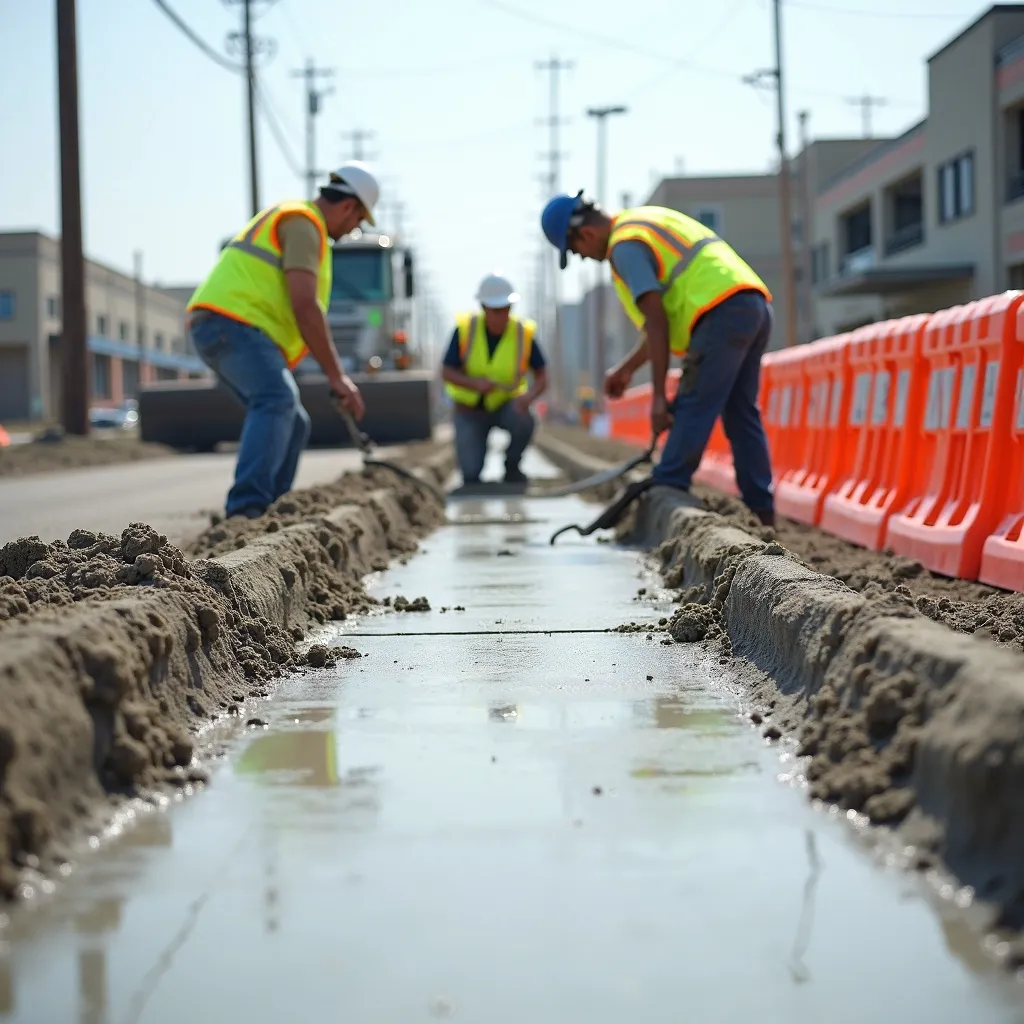
Why Appointing an Proficient Concrete Contractor Holds Value
When deliberating a construction project, the importance of bringing on an veteran concrete contractor is undeniable. An experienced contractor contributes a tremendous store of competence and abilities that are essential for assuring the quality and strength of concrete work. Their expertise with varied techniques and options facilitates superior decision-making, ultimately achieving a more resilient and discover details on reliable structure.
Furthermore, experienced contractors are skilled in maneuvering possible obstacles that may arise during the construction process. They are prepared to handle unforeseen problems efficiently, reducing setbacks and extra expenses. In addition, an experienced contractor often has strong connections with vendors and trade partners, which can streamline the procurement of materials and resources.
Key Attributes of a Reputable Concrete Contractor
A trustworthy concrete contractor possesses several essential characteristics that distinguish them in the building sector. First and foremost, strong communication skills are vital; they ensure that clients are kept updated throughout the project, fostering trust and clarity. Additionally, a solid reputation built on favorable client reviews and referrals demonstrates a contractor's reliability and work quality.
In addition, competence in various concrete applications, together with understanding of the latest techniques and materials, enables them to provide superior results. Attention to specifics is another key quality, as it ensures precise measurements and strict levels of workmanship.
In the end, a dedication to safety and compliance with standards show professional standards and accountability. By embodying these qualities, a dependable concrete contractor not only meets client expectations but also supports favorable project results, making them indispensable in the construction field.
Tips for Choosing the Ideal Concrete Project for Your Situation
Picking the best concrete project requires attentive thought of distinct needs and objectives. Individuals should initiate by assessing the intended use of the concrete, whether for driveways, foundations, or decorative elements. A clear recognition of the project's purpose directs the selection of materials and methods.
Next, cost restrictions play an vital role. Analyzing obtainable monetary resources aids in deciding the scale and complexity of the project. Additionally, the local climate can impact the decision of concrete type and application methods, ensuring durability and longevity.
It is also critical to account for the timeline for completing your project. Some concrete work require curing time, which may influence scheduling. Speaking with an seasoned concrete specialist can deliver valuable insights into the recommended approaches and possible alternatives. In the end, aligning the specifics of your project with individual preferences produces a successful concrete undertaking that fulfills the desired outcomes.
What You Must to Know About Local Concrete Regulations?
Understanding local concrete guidelines is necessary for any construction project, as these rules outline various facets of concrete application, including quality standards, installation methods, and green factors. These guidelines are typically implemented by administrative or governmental authorities and can vary greatly from one location to another.
Contractors should recognize zoning laws, which can govern where concrete structures may be erected. Additionally, building codes typically set forth the required strength and composition of concrete mixes, ensuring safety and durability. Environmental regulations may also impose the use of eco-friendly materials and proper waste disposal methods to minimize environmental impact.
Failure to comply with these regulations may cause fines, scheduling setbacks, or even court proceedings. Therefore, working with local authorities at the beginning of the planning process is recommended. Grasping and following these regulations not only fosters community safety but also boosts the integrity of the construction project.
Why Professional Specialists Conserve You Hours and Expenses
Skilled contractors play a pivotal role in streamlining construction projects, allowing clients to benefit from both time effectiveness and cost cuts. Their extensive experience empowers them to navigate complex tasks swiftly, shortening the overall project timeline. By drawing upon industry connections, skilled contractors often secure better pricing on materials, resulting to lower expenses for clients.
Moreover, their understanding of local regulations ensures adherence, which reduces the chance of expensive setbacks and penalties. Effective project management is an additional major advantage, as these professionals manage labor and resources, preventing bottlenecks that can result in increased costs.
Moreover, by utilizing established methods, skilled professionals reduce the probability of errors, which can lead to expensive rework. Ultimately, engaging a seasoned contractor not only improves the caliber of the project but also maximizes financial resources, making it a sound investment for any building project.
Why Top-Tier Components and Processes Count in Concrete Work
High standards in concrete work is critical, as it directly influences the durability and longevity of any construction project. The selection of high-grade materials plays a vital role; inferior concrete can lead to cracking, erosion, and structural failure over time. Using quality aggregates, cement, and additives promises that the final product can withstand environmental stresses and heavy loads.
Moreover, harnessing state-of-the-art methods during the mixing, pouring, and curing phases markedly enhances the solidity of the concrete. Correct mixing ratios and curing methods facilitate achieving supreme strength and reduce vulnerabilities. Knowledgeable specialists understand these particulars and deploy best practices to deliver superior performance.
Ultimately, putting money into quality materials and techniques not only improves the structural performance but also minimizes long-term maintenance costs. This foundation of reliability is crucial for both commercial and residential projects, ensuring that they stand the test of time. Concrete work quality is an investment with significant returns.
Regularly Requested Questions
What Kinds of Concrete Solutions Do Contractors Typically Offer?
Concrete contractors frequently provide a selection of services including foundation pouring, driveway installation, concrete decorative solutions, slab construction, sidewalk and patio creation, repair and resurfacing, as well as concrete removal and recycling.
What duration should you expect for a standard concrete undertaking?
A standard concrete project usually takes anywhere from one to three days, based on factors such as project size, complexity, weather conditions, and curing time. Larger or more intricate projects may require additional time for completion.
What Are the Regular Symptoms of Low-Quality Concrete Work?
Typical indicators of poor concrete work include visible cracks, uneven surfaces, inadequate water management, discoloration, peeling, and surface dusting. These problems typically suggest inadequate curing, improper mixing, or inadequate groundwork, undermining the building's soundness and longevity.
Is it Possible to Order Custom Designs for My Concrete Project?
Yes, bespoke designs for concrete projects can be asked for. Many contractors offer flexibility in design, allowing clients to include distinctive elements and visual qualities that match their preferences, enhancing both practicality and aesthetic value.
In What Ways Do Weather Conditions Affect the Curing of Concrete?
Environmental conditions greatly impact concrete setting. High temperatures can hasten drying, resulting in cracking, while cold can impede the process, jeopardizing incomplete hydration. Ideal curing requires moderate temperatures and managed moisture to assure durability and strength.